Nyheter
Wall to wall carpet is back, and I did not expect to be writing that. After a decade of hard flooring being the safe default, the briefs crossing my desk in 2026 are asking for carpet again, mostly in bedrooms, guest rooms and anywhere noise has turned into a complaint. What follows is where it genuinely wins, where it still loses to tile and hard surface, what to specify so the floor looks right in year eight, and a table of the constructions, roll widths and backings available. By the end you will know whether carpet is the right call for your space, or just a trend you noticed.
Alistair Leung
Carpet engineer, five years in the trade. He works with a manufacturer and wholesale supplier on specification, quality control and installation support, which means he spends more time on site with a moisture meter than in a showroom. Hotel corridors and guest rooms are where most of his broadloom experience sits.
Carpet never lost its function. It lost its image, and in 2026 the function is winning again.
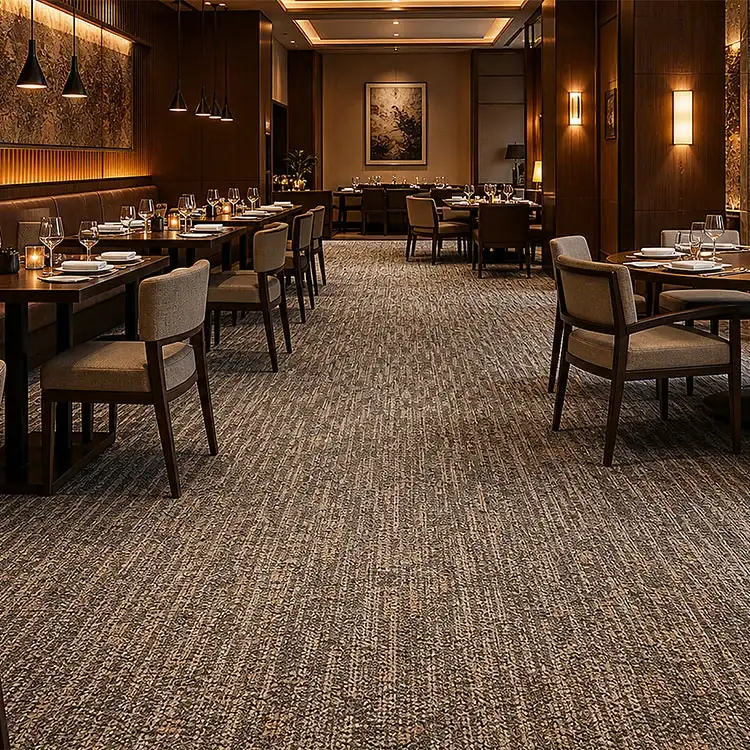
Three things changed. First, noise. After years of hard floors, the complaints reaching facility managers are about sound rather than appearance, and carpet is still the cheapest way to take impact noise out of a whole floor plate. Second, the product itself. Today's broadloom is nothing like the beige plush people remember: cut and loop textures, tonal patterns, wool blends, multi-level pile. Designers finally have something worth putting their name to. Third, the commercial demand never actually went away. Hotels, cinemas, senior living and student accommodation keep buying broadloom in volume because nothing else delivers a seamless visual field and a quieter room at the same cost. In 2026 the American shelter press picked the shift up openly and started calling wall to wall carpet a 1970s trend that designers are deliberately bringing back. When a hotel corridor specification lands on my desk, the acoustic requirement is usually written down before anyone has discussed how it should look.
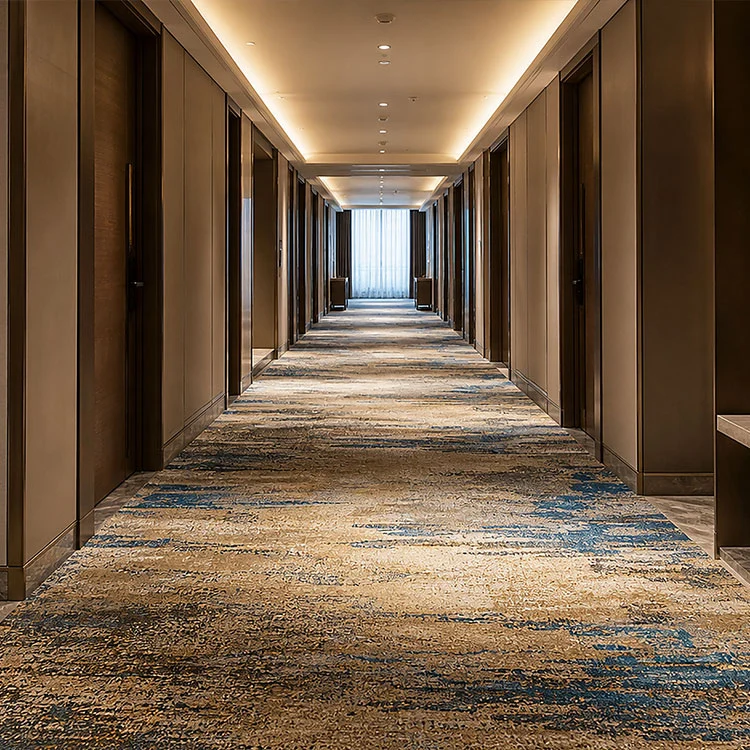
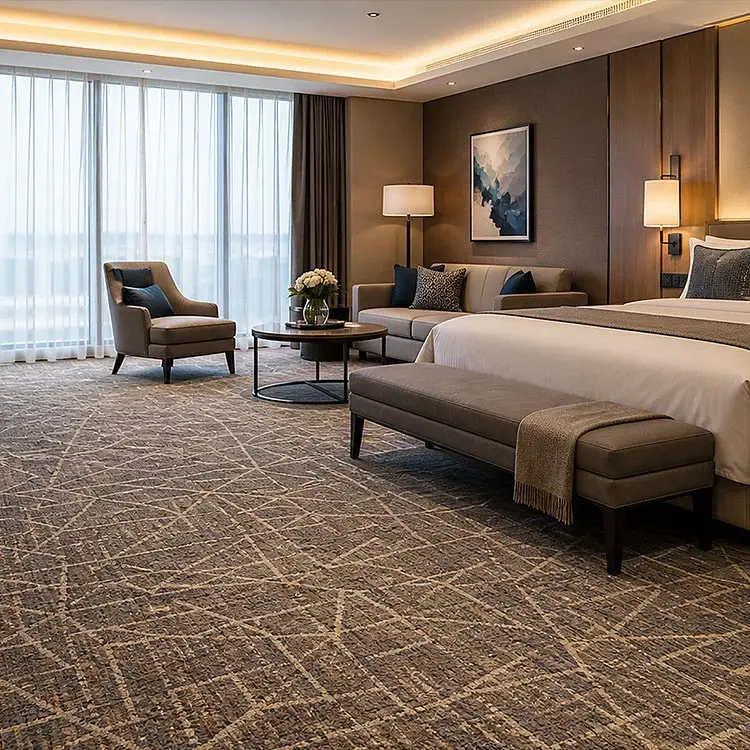
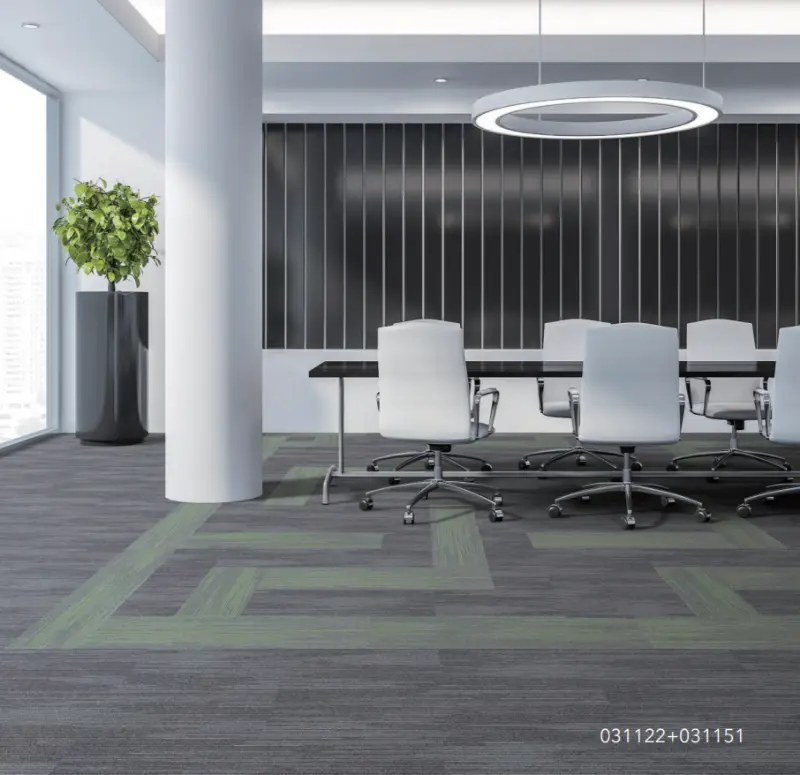
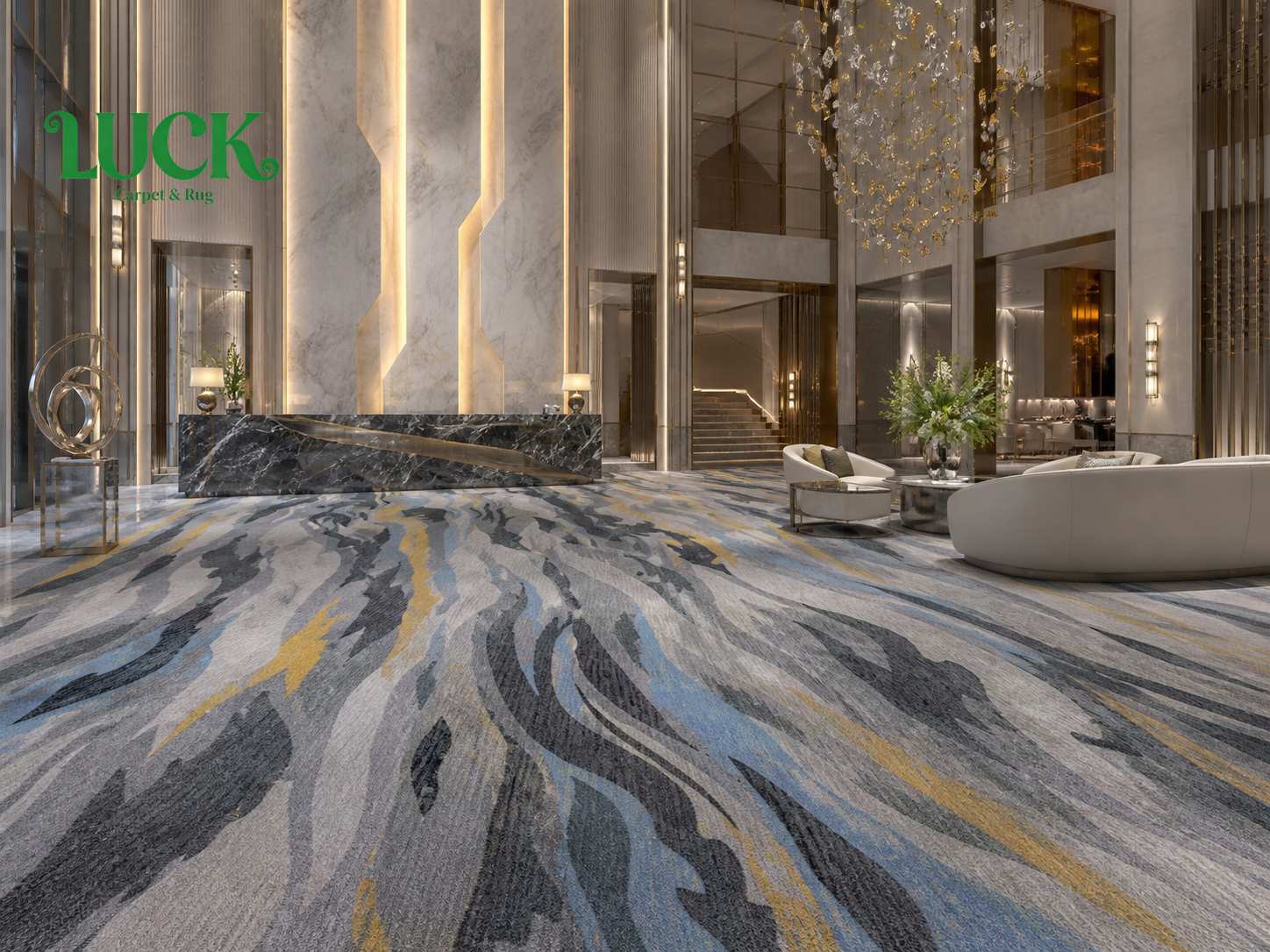
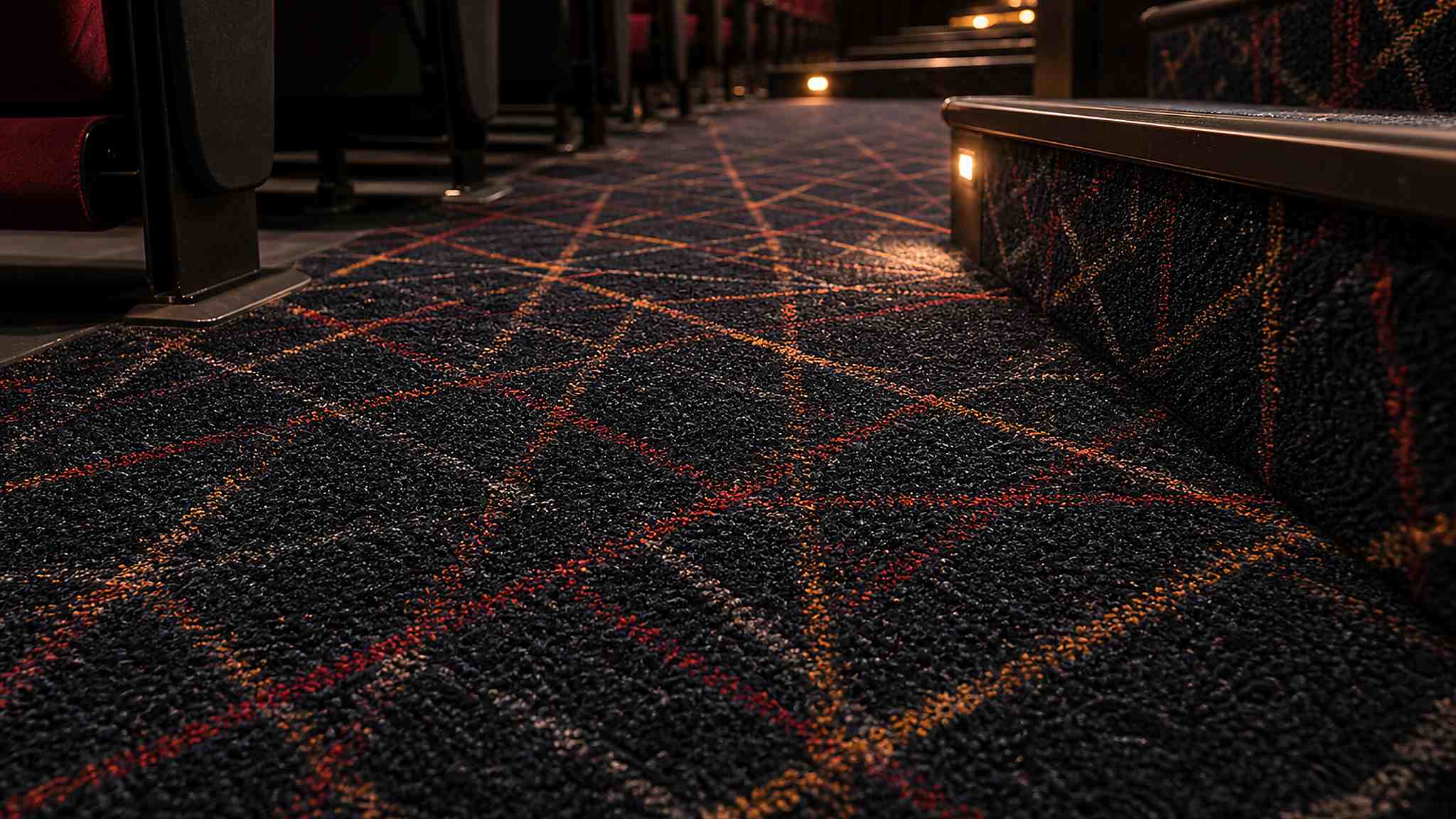
Bedrooms are the clearest case. Clients who stripped carpet out of living areas almost always keep it in bedrooms, because the comfort argument is strongest where bare feet land first thing in the morning. Guest rooms and hotel corridors are where the commercial volume is. A patterned broadloom in a mid tone hides soil and traffic lanes better than any solid, and the absence of seams gives a corridor continuity that tile cannot imitate. Cinemas, auditoriums, studios and now home offices follow the same logic: sound is doing engineering work, not decoration. Stairs and landings are a quieter win, but a real one, because carpet cuts slip risk and noise at the same time. The room where it loses is the one with water in it. Kitchens, bathrooms, utility rooms, anywhere a leak is plausible. I have also stopped recommending carpet for short-lease rentals, not because it performs badly but because the tenant cannot take it with them. In my experience the clients who regret removing wall to wall carpet are almost always the ones with a bedroom above a living space.
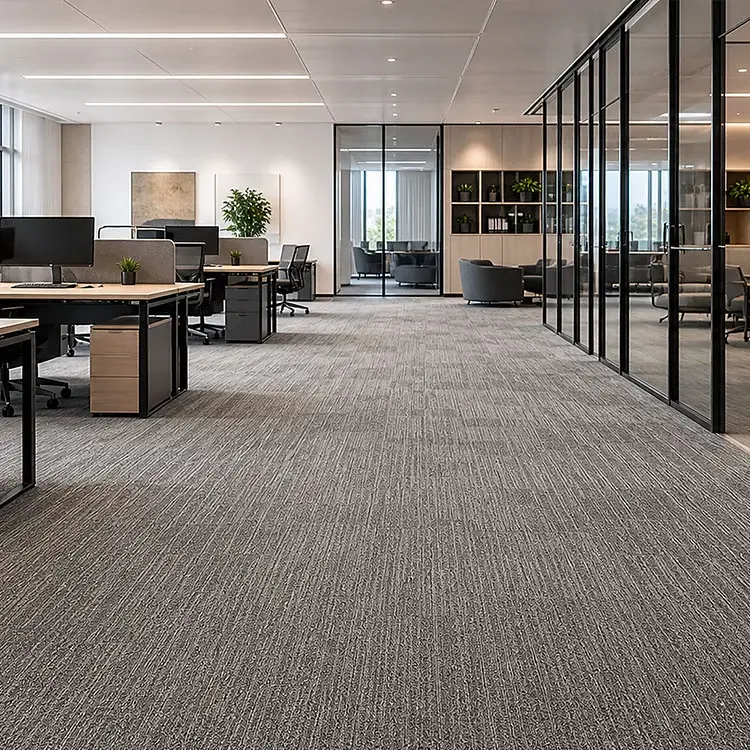
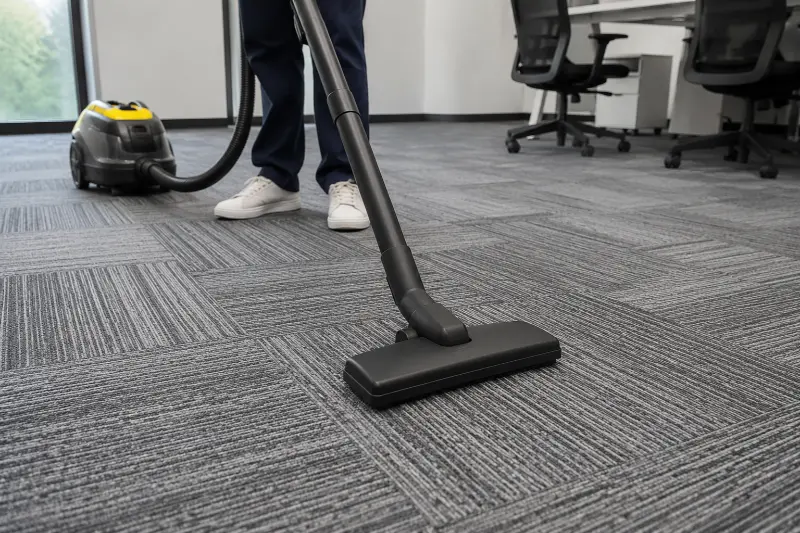
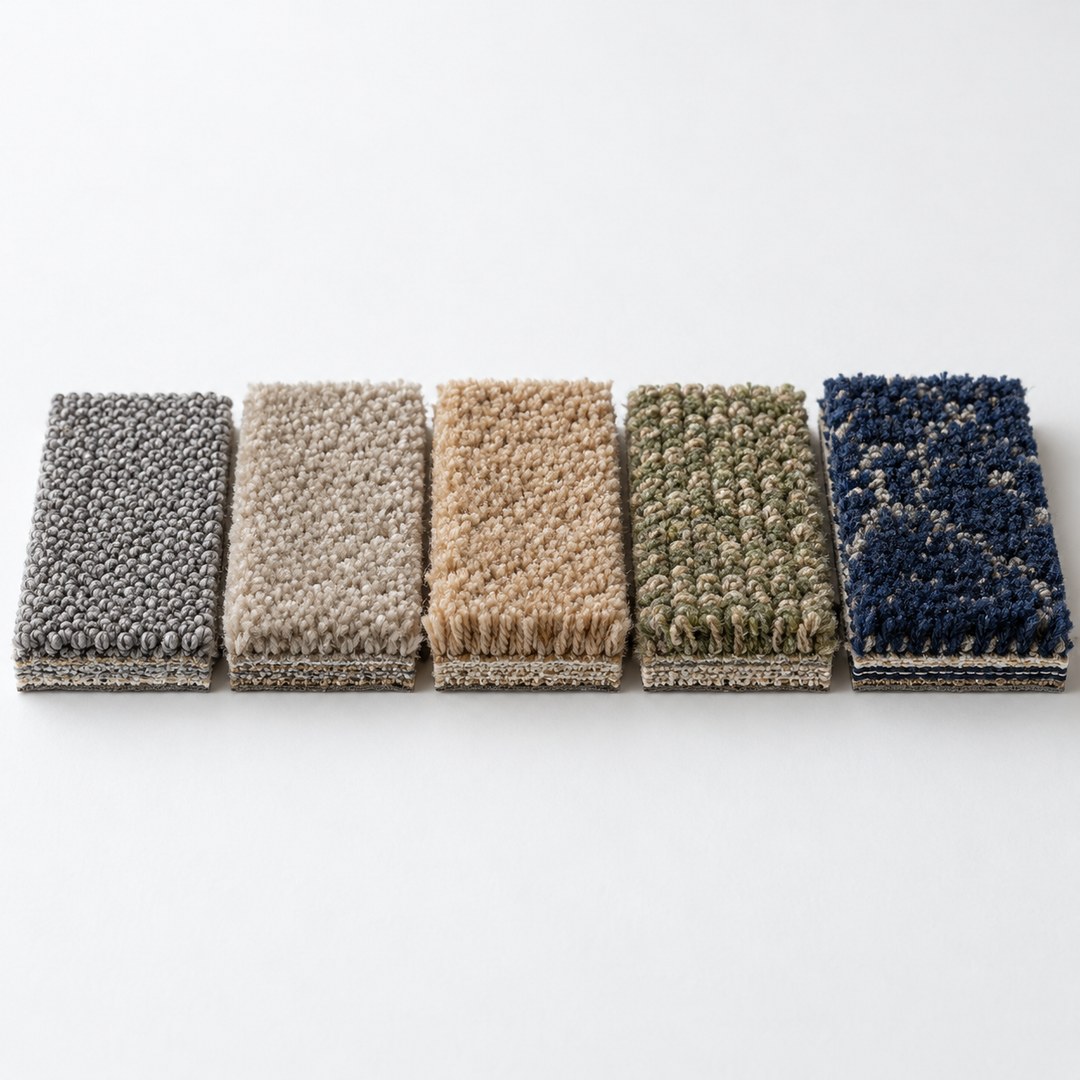
The old default was plush cut pile in a solid colour at whatever face weight was on offer. The 2026 default should be a cut and loop or tonal pattern, solution-dyed nylon 6,6 at 28 to 40 ounces per square yard, on a 12 or 15 foot roll with the seams planned rather than discovered. Underlay matters more than most buyers expect. A double-stick installation over cushion is the cheapest acoustic upgrade in any hospitality project, and it is the difference between a corridor that sounds solid and one that sounds hollow. I will not pretend broadloom is always right. It cannot be spot replaced the way carpet tile can, so in a building where uptime beats aesthetics, tile wins and I say so. It traps soil without a maintenance schedule, which means vacuuming and hot water extraction belong in the specification, not in a hopeful footnote. If you are buying from a wall to wall carpet manufacturer or wholesale supplier for a mixed-use project, ask for both broadloom and tile in the same colour family so the two floors still read as one scheme.
Roll width and backing get decided separately from how the carpet looks, and both move the price more than buyers expect.
| Construction | Roll width | Pile | Typical backing | Material / sq yd | Custom sizes | Best used in |
| Tufted, cut pile | 12 ft / 3.66 m | Plush to textured | Action back or secondary jute | $6-$12 | Width fixed, length cut | Budget contract, multifamily |
| Tufted, cut and loop | 12 ft or 15 ft | Multi-level texture | Action back, cushion optional | $12-$25 | Width fixed, length cut | Offices, guest rooms |
| Woven Wilton | 12 ft / 3.66 m | Dense loop | Woven with secondary | $25-$45 | Limited | Corporate, heritage interiors |
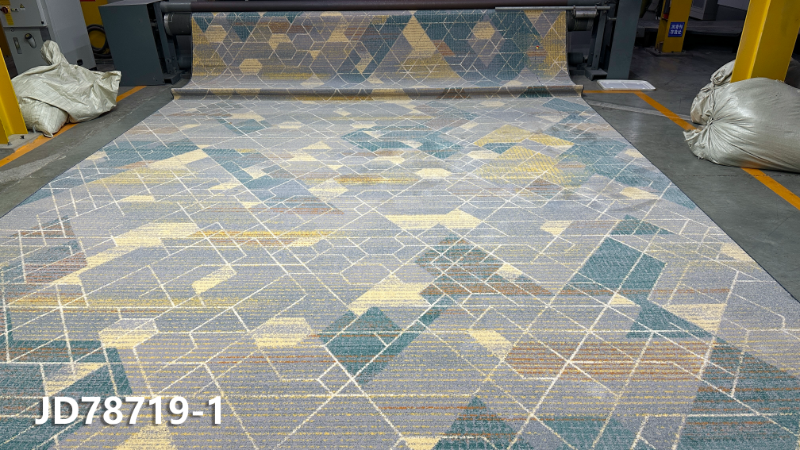
| Woven Axminster | 12 ft / 3.66 m | Cut pile, multi-colour | Woven with secondary | $35-$120+ | Yes, woven to size | 5-star hotels, casinos, ballrooms |
| Needle punched | 6 ft to 15 ft | Flat, no pile | Felt, often no secondary | $6-$14 | Cut to size readily | Exhibitions, retail, budget contract |
Two things I tell every client. Patterned Axminster can be woven to a custom size and a custom repeat, but order ten to fifteen percent overage for matching. And cushion underlay adds a dollar fifty to three fifty per square yard, which is the cheapest acoustic improvement available in a hospitality budget.
No. It went out of fashion in open-plan, hard-surface interiors, and it is coming back in bedrooms, lounges, guest rooms and cinemas for reasons that have little to do with looks.
Carpet gives you acoustic control across the whole floor with no trip edges and no gaps. A rug gives you flexibility and much cheaper replacement. If the room, the tenant or the plan might change inside five years, take the rug.
Broadloom comes in fixed widths, usually twelve or fifteen feet, and is cut to length on site. Woven Axminster is the exception, since it can be produced to a custom size and a custom pattern repeat, which is how hotel corridors and ballrooms get matched exactly to a floor plan.
A tufted or woven construction with a secondary backing, installed double-stick over cushion underlay. The underlay does the acoustic work, the secondary backing holds the pattern, and double-stick stops the rippling you get when corridor carpet is only glued at the edges.
In bedrooms, rarely. Buyers tend to read carpet as comfort there. In main living areas it is a coin toss, and where it looks tired it definitely hurts. Condition matters far more than the category, which is why a worn carpet is a worse signal than a good one in a room buyers expected to be hard floored.
Alistair Leung
Carpet engineer, five years in commercial flooring, working with a manufacturer and wholesale supplier on specification and installation support. This piece grew out of broadloom specifications, acoustic requirements and post-installation visits on hotel, residential and education projects, plus the question clients keep asking about whether carpet still belongs in a 2026 interior.
Broadloom is not a product you can choose from a screen. The colour renders differently in every room, and a cut and loop pile that looks calm in a photograph can read busy across a forty-foot corridor. Send your room or corridor plan with the traffic type and the acoustic requirement, and you will get samples and a specification rather than a sales sheet.
| Ask for | What arrives | How long |
| Sample pack | Broadloom samples in your shortlisted constructions and colours | 3-5 working days |
| Design review | Advice on pattern repeat, roll width and overage for your floor plan | 2-3 working days |
| Project quote | Material, underlay, installation and overage, itemised room by room | 2-3 working days |
| Wholesale list | Roll and container pricing for hotels, contractors and distributors | 2-3 working days |
Send the plan to sales@example.com and mark it wall to wall carpet samples. If you are still weighing broadloom against tile, say so in the same email and we will price both on one page, which makes the comparison honest instead of commercial.
Copyright © 2026 Zhaoqing Yunle International Trade Co., Ltd. Med ensamrätt.